Once a standard component of every bed, the flat sheet—commonly called a top sheet—now faces a modern challenge. With duvets and comforters increasingly favored for their simplicity, many sleepers are questioning whether this traditional layer is worth keeping. The answer, according to bedding experts, depends largely on personal comfort preferences and how much effort you're willing to invest in bed-making.
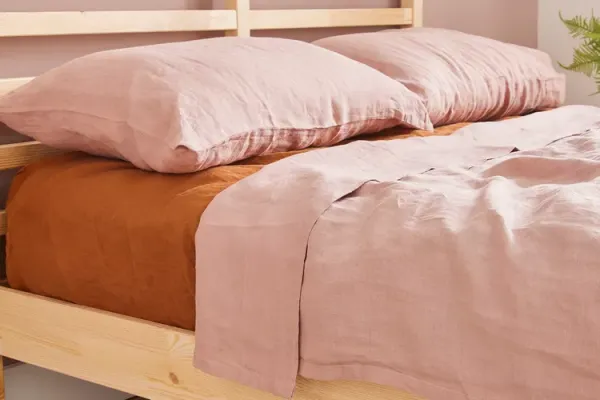
A top sheet is a rectangular piece of fabric placed between the sleeper and the comforter or duvet. Unlike a fitted sheet, which hugs the mattress with elastic edges, a top sheet lies flat and is typically tucked under the mattress at the foot and sides. It is usually sold as part of a bedding set, alongside a fitted sheet and pillowcases, but can also be purchased separately.
The primary role of a top sheet is protective: it shields the comforter or duvet from body oils, sweat, and daily wear, reducing the frequency of washing these bulky items. Comforters often require professional dry cleaning, which is both costly and inconvenient, while duvet covers, though machine-washable, are cumbersome to remove and replace. A top sheet acts as a barrier, keeping these heavier layers cleaner for longer periods.
Seasonal Versatility and Practical Drawbacks
One of the most compelling arguments for using a top sheet is its year-round functionality. During colder months, a flannel top sheet adds an extra layer of warmth, complementing a cozy bedding setup. In summer, a lightweight cotton or percale top sheet can be used alone or with a light blanket, offering breathability without excess heat. This adaptability makes it a flexible choice for varying climates and seasons.
However, the top sheet is not without its critics. Active sleepers often find that the sheet becomes tangled during the night, especially if they toss and turn. The tight tucking required to keep it in place can also feel restrictive, limiting movement. Additionally, making the bed becomes a more involved process: the sheet must be laid evenly, tucked securely, folded over at the top, and smoothed to avoid wrinkles. For those seeking to streamline their morning routine, this extra step can be a deal-breaker.
Some argue that the top sheet is entirely redundant if you regularly launder your bedding and your comforter already provides sufficient warmth. In fact, many modern bedding companies now offer sheet sets without a top sheet, reflecting a shift in consumer preference. Yet, the option to add one remains available for those who value its protective and aesthetic benefits.
Material Matters: Choosing the Right Top Sheet
Top sheets are available in a variety of materials, each with distinct characteristics. Cotton remains the most popular due to its breathability, durability, and hypoallergenic properties; a thread count of 400 to 500 is often recommended for optimal quality. Linen offers a heavier, more textured feel with excellent airflow, while silk provides a smooth, luxurious touch. Flannel is ideal for winter, offering warmth and coziness. Percale is lightweight and moisture-wicking, making it suitable for warm sleepers, while sateen has a silky sheen and is heavier, better for colder months. Bamboo is an eco-friendly option that is highly breathable, and chenille is designed for extreme warmth. Polyester, on the other hand, is generally discouraged due to poor temperature regulation and lack of breathability.
Ultimately, the decision to use a top sheet comes down to individual sleep habits and lifestyle. If you prioritize protecting your comforter and enjoy a layered, cozy bed, a top sheet is a valuable addition. If you are a restless sleeper or prefer a minimalist approach to bed-making, skipping it may be the better choice. The growing availability of sets without top sheets indicates that this once-essential item is now a matter of personal preference rather than necessity.