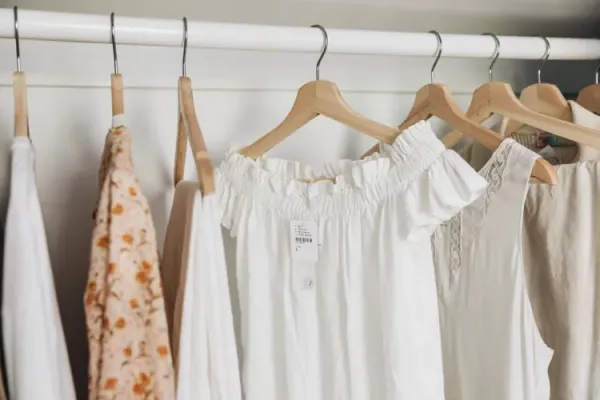
Most shoppers assume that brand-new apparel is clean and safe to wear straight off the rack. Yet garments often carry residual dyes, chemical treatments, and even microbes picked up during manufacturing, shipping, or in-store try-ons. Laundering new items before the first wear is a simple step that can prevent skin irritation, stop color transfer, and improve overall comfort.
Three main concerns drive the recommendation to wash new clothes. First, synthetic fabrics such as polyester and acrylic are frequently colored with azo-aniline dyes, which can trigger allergic reactions in some people, particularly young children. In severe cases, the rash resembles poison ivy; milder reactions may cause dry, itchy patches. Second, clothing can harbor bacteria, fungi, and even insects like lice or scabies, especially after being tried on by multiple customers in dressing rooms. Third, many manufacturers apply chemical finishes—such as urea-formaldehyde—to reduce wrinkles and prevent mildew during long ocean shipments from Asia and South America. These finishes have a sharp odor and can irritate sensitive skin, especially in areas like armpits, collars, cuffs, and waistbands.
Washing new clothes also addresses excess dye that can bleed onto skin or other garments. Fabrics with intense colors often release surplus dye in the first few washes. Separating new items from the rest of the laundry and washing them alone for the first cycle helps remove this excess before it can stain other clothes. Checking the rinse water after the first wash can indicate whether additional separate washes are needed.
How to Wash New Clothes Safely
Always start by reading the care label. It provides essential information about fabric content and recommended washing methods, including water temperature, cycle type, and whether the item should be turned inside out or air-dried. Following these instructions helps preserve the garment's shape and color while effectively cleaning it.
For items that may bleed color, washing them separately—even if the label doesn't explicitly warn—is a prudent practice. This is particularly important for brightly colored or dark garments. After the first wash, if the rinse water still shows color, continue washing separately or with similar shades until the water runs clear.
Children's clothing, especially baby garments, deserves extra attention. Babies have delicate skin that is more susceptible to chemical irritation and rashes. Using a fragrance-free, dye-free detergent, such as Arm & Hammer Sensitive Skin, can reduce the risk of reactions. Some parents opt to make their own laundry detergent to avoid additives entirely. Washing new children's clothes also softens the fabric, making it more comfortable for little ones.
Secondhand and Household Textiles
Consignment and thrift store finds should also be washed or dry-cleaned before wearing. Even if the store has cleaned them, washing in your own detergent ensures better hygiene and removes any lingering scents from fabric softeners or perfumes that might bother sensitive individuals. For stubborn odors, soaking the garment overnight in lukewarm water with one cup of baking soda, followed by a rinse cycle with half a cup of distilled white vinegar, can help strip residue. Air-drying in a breezy spot and doing a final sniff test are recommended.
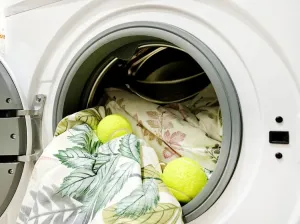
New bed linens and bath towels also benefit from an initial wash. These items come into direct contact with skin, and washing removes chemical finishes and improves absorbency by stripping surface coatings. Separating by color and washing in warm to hot water is advised, followed by drying on a line or in a machine on a low-to-medium heat setting.
For those looking to minimize chemical exposure, choosing organically produced natural fiber clothing can help, but care labels should still be read carefully. Even natural fibers like cotton, linen, and wool may be treated with mildew-preventive chemicals during shipping. Opting for garments that can be washed at home rather than dry-cleaned also reduces exposure to dry-cleaning solvents.
In short, a quick wash before the first wear is a small step that can prevent skin problems, protect other clothing, and enhance comfort—making it a worthwhile habit for any new purchase.