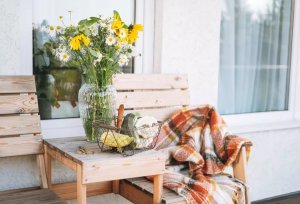
Many people believe that a dedicated hobby space requires a spare room, but professional organizers say that is a misconception. With a bit of creativity, a corner of the kitchen table, a section of the garage, or even a favorite armchair can become a functional area for pursuing passions. The key is to choose a spot that works for your lifestyle and to use smart storage solutions.
Lauren Saltman, owner of Living Simplified, LLC, suggests transforming an underused closet into a hobby nook. “Take the doors off, empty it out, and find a new home for the items previously stored there,” she says. Adding a small table or desk, wall shelving, and a supportive chair can turn the space into a dedicated area for supplies and projects.
Multifunctional Furniture and Vertical Storage
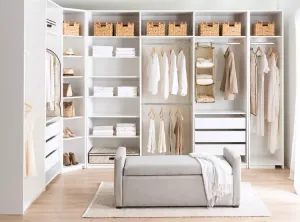
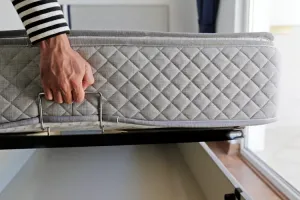
When space is tight, multifunctional furniture is a game-changer. Heather Aiello of The Organized You recommends a desk with drawers that serves as both a workspace and storage. For those with limited room, a foldable table can be expanded for large projects and tucked away when not in use. Storage ottomans and benches double as seating while hiding hobby accessories.
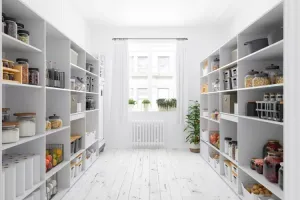
Walls are often overlooked, but they offer valuable storage potential. Aiello suggests using shelves, pegboards, over-the-door racks, and hanging organizers to keep supplies visible and accessible. “This approach not only saves floor space but also keeps your tools and materials visible and easily accessible,” she explains.
Portable Kits and Organizer Favorites
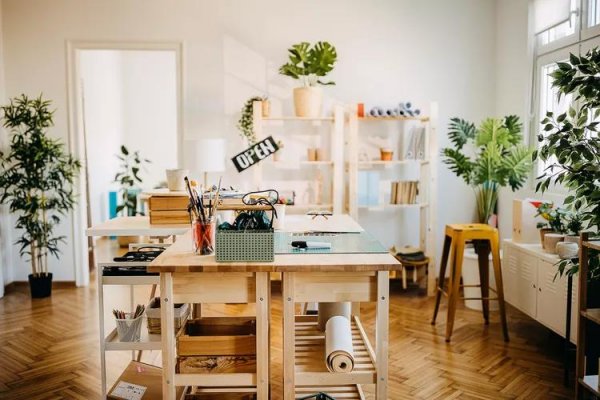
For hobbies with smaller materials, Aiello recommends creating a portable kit—a bag or box that can be moved around the house or taken on trips. A decorative basket in a corner can also serve this purpose. Saltman echoes this idea, praising rolling carts with wheels. “Use the different levels of the mobile cart to keep your items organized by category and move the cart to an existing table when you want to be creative,” she says.
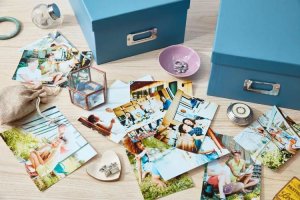
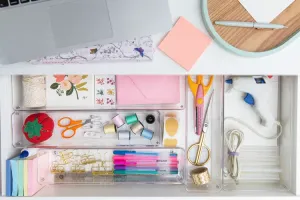
Bridget Flynn of Divine Organizing shares her go-to products: small and medium-sized bins (15-30 quarts) with lids. “They allow for more specific organizing, stack well to maximize space, and fit onto all shelves,” she notes. She also recommends scrapbook containers for crafting supplies, as their slim profile stacks neatly. Flynn stresses investing in sturdy bins with latch clasps, recalling an incident where a flimsy bin spilled red paint all over the floor.
Personal Touches and Regular Decluttering
While organization is crucial, making the space inviting is equally important. Aiello advises adding an inspiration board, displaying artwork, or incorporating scents and music to create an environment that encourages creativity. “The key to a successful hobby space is not just organization, but also ensuring that the area is inviting and inspiring,” she says.
Hobby areas can quickly become cluttered, so Flynn urges regular purging. “Anything that is broken, stained, you haven’t used in a few years, or is no longer your style should be tossed or donated,” she advises. This practice reveals what you actually have and helps dictate the organizing tools you need. Periodic decluttering keeps the space manageable and ready for use.
Creating a dedicated hobby space is about making the most of what you have. With these expert tips, anyone can carve out a corner to enjoy their favorite pastimes without sacrificing the rest of the home.