The start of a new year often brings a desire for a fresh start, and for many, that means tackling the clutter that has accumulated at home. Whether you've been in your residence for decades or just moved in, establishing a functional organizational system can simplify daily life. A recent guide offers a practical, room-by-room strategy to help homeowners break down the overwhelming task of organizing an entire house into manageable steps.
The process begins with a thorough walkthrough of the home, starting at the entryway. Using a notepad or a notes app, homeowners are advised to document three primary organizing tasks for each room. These tasks might range from decluttering and donating items to deep cleaning and purchasing storage containers. Keeping a running shopping list of needed supplies ensures that the project can proceed without unnecessary interruptions.
Starting with Storage and Deep Cleaning
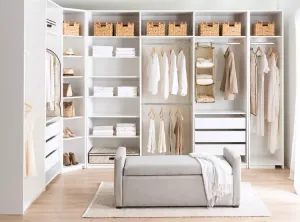
The guide suggests beginning with storage spaces—closets, pantries, or rooms that have become catch-alls for rarely used items. Clearing these areas first prepares them to accommodate overflow from other rooms. For a bedroom closet, the recommendation is to remove all clothing and belongings, either all at once or in sections, and sort them into three piles: keep, donate, and discard. This process also involves evaluating whether the existing closet layout works; if it does, items can be returned to their original spots, but if not, adjustments like adding storage containers or hanging racks can optimize the space.
Deep cleaning is another crucial component, even for those who clean weekly. Areas that are often overlooked—such as windows, ceiling fans, baseboards, and behind furniture—require attention. The guide includes a checklist that covers washing windows, steam cleaning carpets, polishing hardwood floors, dusting shelves, wiping down blinds and sills, washing window treatments and removable upholstery, cleaning baseboards and the tops of frames, disinfecting hardware like doorknobs and cabinet pulls, and cleaning mirrors. Moving furniture away from walls to clean behind it is also recommended.
Refreshing Bathrooms and Pantry
Bathrooms benefit from a similar approach: remove as much as possible, deep clean the entire space, then bring in freshly washed linens, including towels, bath mats, and shower curtains. Reorganizing shelves and drawers involves discarding old, unused, or expired items.
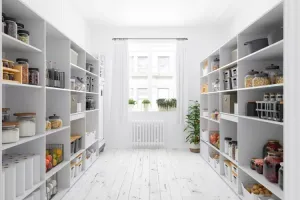
The kitchen and pantry are often the most time-consuming areas to organize. The guide advises dividing the kitchen into sections, starting with the pantry. Emptying the pantry, wiping down shelves, washing storage containers, and mopping the floor are the first steps. For those needing extra space, an over-the-door tiered rack can maximize vertical storage. Grouping like items—such as baking supplies or kids' snacks—in clear plastic bins and using airtight containers for staples like flour, sugar, and pasta can create a system that is both functional and visually appealing. Adding labels to containers not only helps maintain order but also gives the pantry a professionally organized look.
Kitchen and High-Traffic Areas
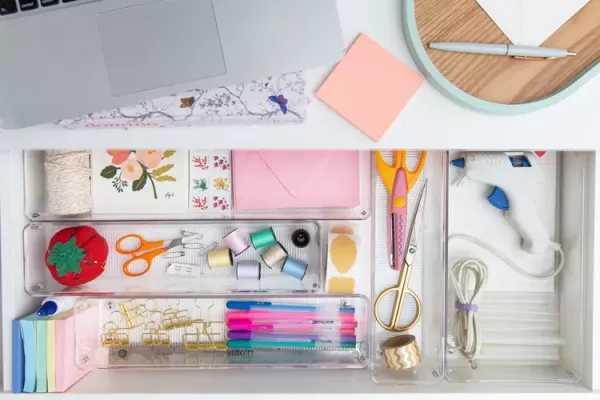
The kitchen itself, often the hardest-working room, requires a thorough declutter. Emptying cabinets and drawers allows for a deep clean and a reassessment of what is actually used. Frequently used items should be placed on easily accessible shelves, while occasional-use items can go on higher shelves or even in the dining room. Incorporating drawer dividers can help maintain a designated place for each item, eliminating the dreaded junk drawer.
Small but high-traffic spaces like laundry rooms, entryways, and mudrooms should not be overlooked. These transition areas between indoors and outdoors benefit from a seasonal refresh. Switching out mats, adding a boot tray to protect floors, and using a freestanding coat rack when built-in storage is lacking are practical suggestions. Wicker baskets can hold shoes and seasonal accessories, while an over-the-door hanger can stash hats and gloves.
Finishing with Guest Spaces
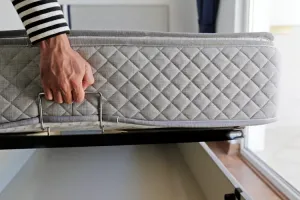
The final step in the organizing process is tackling less frequently used rooms, such as guest bedrooms and bathrooms. While these spaces may not see daily use, having them clean and organized ensures they are ready for visitors. Following the same cleaning checklist as for other rooms, the guide recommends ensuring bed linens are fresh and beds are made, adding clean towels, and restocking guest toiletries or welcome items.
By following this systematic approach, homeowners can create an organizational system that fits their lifestyle and is easier to maintain throughout the year, turning a daunting task into a series of achievable steps.