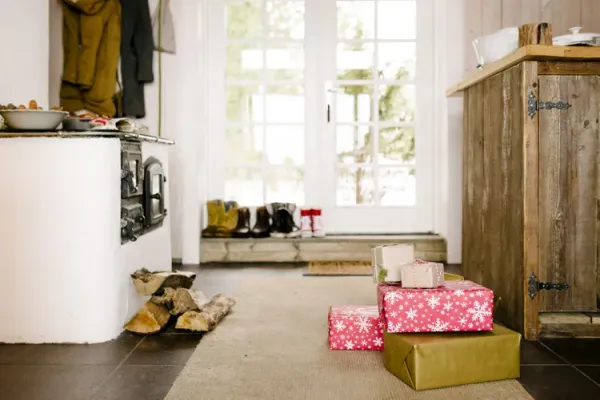
As winter takes hold, the entryway often becomes a chaotic dumping ground for coats, boots, and stray mail. But professional organizers and designers say a few strategic adjustments can keep this high-traffic area functional and tidy throughout the season. The key, they argue, is not just more storage, but smarter storage that works with how people actually move through their homes.
Carol Appelbaum, a professional organizer and founder of Luxury Pro Organizer, and Anita Yokota, an interior designer who applies 'home therapy' principles to create calming spaces, both agree that the most effective change is to establish clear visual zones. This means giving every item a designated landing spot, whether it's a tray for keys or a concealed bin for scarves.
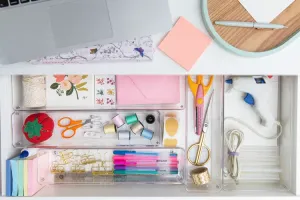
“Use trays or concealed bins so every item has a clear boundary,” Appelbaum said. “Containers define drop zones that are easy to identify and maintain.” She suggests thinking of the entryway as a personal concierge, anticipating daily needs and arranging items accordingly. Recommended zones include separate areas for outerwear, footwear, daily essentials like keys and sunglasses, mail, and quick-grab winter items such as gloves, a lint brush, a leash, or an umbrella.
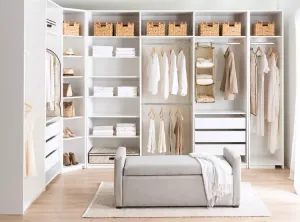
Yokota expands on this by emphasizing the importance of vertical space. “Everything flows downward,” she said. “Upper hooks for coats, mid-level for bags, lower baskets for shoes. This natural gradient mirrors how the brain reads movement and hierarchy in a natural space.” She also advises keeping frequently used items like gloves and keys at eye or hand level to reduce the frantic search for misplaced belongings.
Why Vertical Zones Work
Yokota explains that this approach is not just about aesthetics but also about cognitive ease. “Keeping these visible but orderly gives the brain a sense of control and prevents working-memory overload, which is what leads to that 'where did I put my keys?' moment,” she said. Appelbaum adds that closed storage is often preferable to open shelving, as it can be the difference between a cluttered space and a curated one.
Beyond the initial setup, both experts stress that the system must be easy to maintain. “A well-organized entryway is emotionally intelligent,” Yokota said. “When function, material, and light work in sync, your space doesn’t just look calm, your nervous system feels it.”
Essential Entryway Tools
To put these principles into practice, the experts recommend a few key items. Hooks are non-negotiable for Yokota, who notes they add visual warmth and texture. “Seeing coats, bags, or scarves neatly hung brings visual warmth and texture to the space,” she said. “They become part of the décor, creating rhythm and personality rather than visual clutter.”
A bench or seating area, if space permits, provides a practical pause point. “A bench or seating surface provides a pause point,” Yokota said. “That physical cue to slow down as you enter or leave home.” It also offers a comfortable spot for putting on shoes.
To combat the problem of items migrating from other rooms, Appelbaum suggests a dedicated 'holding spot' bin. “A single catchall basket keeps the area visually clean while reminding everyone to take items back to their proper place,” she said. Yokota calls this a tried-and-true method of 'functional containment.'
Finally, a console or end table is a critical element for providing a landing zone for keys, mail, or the holding bin, without crowding the entryway. By combining these tools with the zoning strategy, homeowners can transform their entryways into a calm, organized start to any winter day.