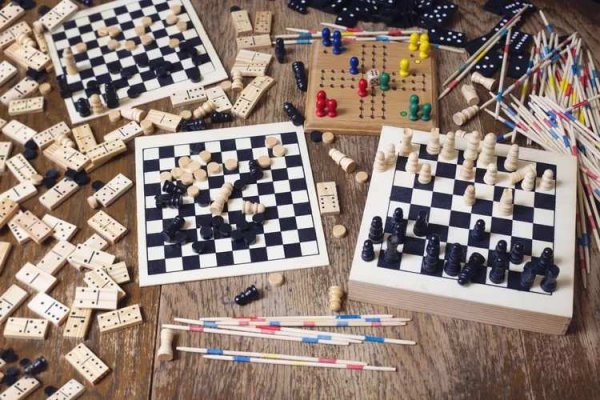
As families prepare for holiday gatherings, board games often become a centerpiece of entertainment—but their bulky boxes can quickly turn a tidy living room into a cluttered one. Professional organizers suggest a few simple shifts in how games are stored, from standing boxes upright like books to sliding slim bins under sofas, to keep both games and spaces in order.
The advice comes from two organizing experts: Christian Pfeiffer, owner of Valley Organizing, and Michelle Rosen, a Certified Professional Organizer and founder of Hop to It Organizers, LLC. Both emphasize that with a little planning, game storage can be neat, accessible, and even space-efficient.
Why Upright Storage Works
One of the most recommended methods is to store game boxes vertically, much like books on a shelf. Rosen notes that this approach “saves space but also makes it easier to pull out the game you want without disrupting the entire stack.” Adjustable shelves in bookshelves or closets can accommodate taller boxes, making this a flexible solution for collections of varying sizes.
Pfeiffer echoes the value of bookshelves, especially cube organizers. “Each cube can fit a few games or keep everything in sight if placed upright,” he says. Cube units also allow grouping games by type or frequency of use, which can speed up selection during game nights.
Containers and Bins for Flexibility
For those who prefer closed storage, stackable bins designed specifically for games offer a tidy option. Rosen recommends them for their visibility and vertical efficiency, helping avoid the frustration of digging through drawers. Similarly, large baskets with lids, as Pfeiffer suggests, are easy to move and provide a clean look, while remaining versatile if the collection grows or shrinks.
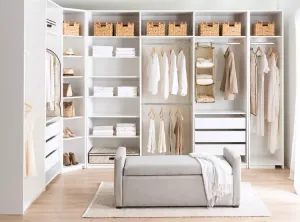
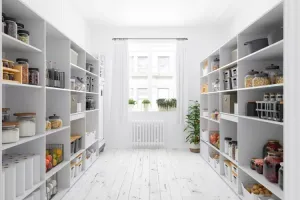
Built-in cabinets or standalone bookshelves in living areas provide an elevated storage solution, especially when doors hide the colorful boxes. Even a single corner shelf can keep games orderly and out of the way.
Hidden and Multi-Purpose Storage
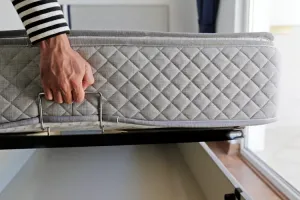
For homes with limited space, experts suggest using existing furniture. A coffee table with lift-top or drawer storage can keep games close to the action without new purchases, as Pfeiffer points out. Under-bed or under-sofa bins are another creative option, particularly for those aiming to maintain a neutral aesthetic by concealing bright game boxes.
Rosen also offers a compact-storage tip: “Nest small game boxes inside larger boxes” to save space. This technique, combined with upright placement, can significantly reduce the footprint of a game collection.
As holiday hosting season approaches, these strategies offer practical ways to keep game areas inviting and clutter-free, ensuring that the focus remains on fun, not cleanup.