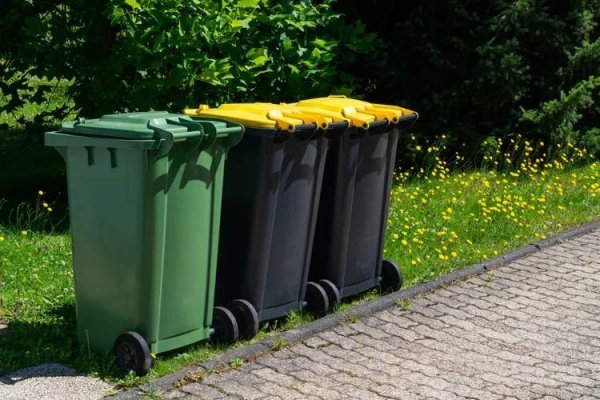
When a trash bin overflows, the temptation to drop a bag into a neighbor's container can be strong. But etiquette experts and community researchers warn that this seemingly minor act can fracture neighborly trust and even result in financial penalties. The key, they say, is to ask first.
Nikki Sawhney, a certified etiquette consultant and director of the New England School of Protocol in Massachusetts, is unequivocal: sneaking trash into a neighbor's bin is always a hard no. She emphasizes that such actions reflect a lack of awareness and respect in shared spaces. "It seems like a small issue, but how we handle everyday situations says a lot about us," Sawhney said. "Moments like these aren't just about trash; they are about awareness, respect, and how we show up in shared spaces. It shows you value your neighbor's comfort just as much as your own convenience."
Research supports this view. Olivia Grant, head of research and insights at ExpertSure, conducted a study in the United Kingdom focusing on this exact issue. The findings revealed that nearly 75% of UK residents felt uncomfortable when neighbors used their recycling bins without permission. Conversely, communities where residents had agreed on shared disposal practices reported higher levels of trust and respect. "This demonstrates how something as ordinary as disposing of trash reveals both the collective values and the awareness of each member of a community," Grant said.
Hidden Costs and Legal Risks
Beyond social friction, there are practical and legal consequences. Elena Navarro, a professional organizer and cleaner with Sparkly Maids Austin, points out that extra waste can directly impact a neighbor's wallet. "Your neighbor may have to pay for the excess weight that has been added to their trash can, which means their monthly bill will increase," she said. "And in some jurisdictions, the neighbor may receive a fine for the improper trash disposal, even though you were the one who threw it in their trash can."
Navarro also highlights that unauthorized dumping could be considered trespassing or illegal dumping, depending on local laws. Penalties vary by location, but they can include hefty fines and other legal consequences. These risks apply to both the person doing the dumping and, in some cases, the property owner.
How to Ask and What to Avoid
If you find yourself with extra trash, the solution is simple: ask. Sawhney recommends reaching out via phone call, text, or a written note. She advises keeping the request modest—just one or two bags—and ensuring the bags are securely fastened with no leaks or drips. If the neighbor declines, respect their answer and either wait for the next pickup or take the waste to a local facility.
"Asking first builds trust and strengthens a sense of community," Sawhney said. "Small kind gestures like these are what turn neighbors into good neighbors and lead to lasting relationships."
In an era where community bonds are often stretched thin, a simple courtesy can go a long way. Whether it's a shared driveway, a fence line, or a trash bin, mutual respect remains the foundation of peaceful coexistence.