Vacuuming seems straightforward, but cleaning professionals say most households unknowingly reduce their machine's efficiency and lifespan through a handful of repeatable errors. Vanessa Terra Bossart, founder of Green Terra Cleaning, and Steve Evans, founder of Memphis Maids, outlined the most frequent pitfalls and the corrections that make a noticeable difference.
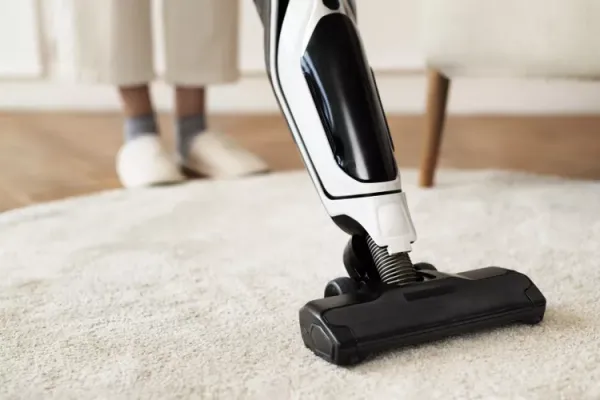
One of the most common oversights is failing to adjust the vacuum for different floor types. Bossart explains that carpet, hardwood, and tile each require distinct settings. Leaving the brush roll active on hard surfaces can scratch flooring, while using it on carpet is essential for deep cleaning. She advises turning off the brush roll or selecting the bare-floor setting when moving from rugs to hard surfaces.
Why Full Bags and Dirty Filters Hurt Performance
Another widespread mistake involves waiting too long to empty or replace the vacuum's collection system. Bossart notes that allowing a bag to reach full capacity significantly cuts suction and strains the motor. She recommends replacing bags when they reach about 60 percent capacity. For bagless models, emptying the dust container at around 75 percent full prevents stress on the filtration system and maintains airflow.
The filter is equally critical. A clogged or dirty filter not only diminishes suction but can also release dust and allergens back into the air, worsening indoor air quality. Bossart suggests washing reusable filters every few months and replacing disposable ones according to the manufacturer's schedule, which is typically outlined in the user manual.
Technique also matters more than most realize. Evans emphasizes a slow, deliberate pattern: move the vacuum forward in a straight line, then back over the same path, covering the entire floor twice. This method ensures thorough pickup and reduces the need for repeated passes.
Hair and debris often accumulate on the brush roll, especially in homes with pets. Evans recommends using scissors to carefully cut away tangled hair, a simple maintenance step that prevents the brush from jamming and keeps suction strong.
Finally, the choice of vacuum itself can be a costly mistake. Evans advises purchasing the best machine you can afford, noting that quality models operate faster, run quieter, and typically last 10 to 15 years. For pet owners, a durable vacuum is particularly important due to the extra hair and dander.
By addressing these six areas, homeowners can improve cleaning results, protect their flooring, and extend the life of their vacuum—without needing to buy a new machine.