Professional cleaners agree that some of the most effective cleaning techniques are also the simplest and least expensive. In a recent roundup, three industry experts shared five underrated methods that can cut down on harsh chemicals, extend the life of everyday tools, and make tidying up less of a burden.
The advice comes from Jenna Arkin, chief innovation officer at ECOS; Carylanne Brown, senior Grove guide at Grove Collaborative; and Maria Mooney, non-toxic cleaning expert and executive brand director at Truly Free Home. Their tips focus on items most households already own, making them easy to adopt without a major upfront investment.
Vinegar’s Versatile Role in the Kitchen and Beyond
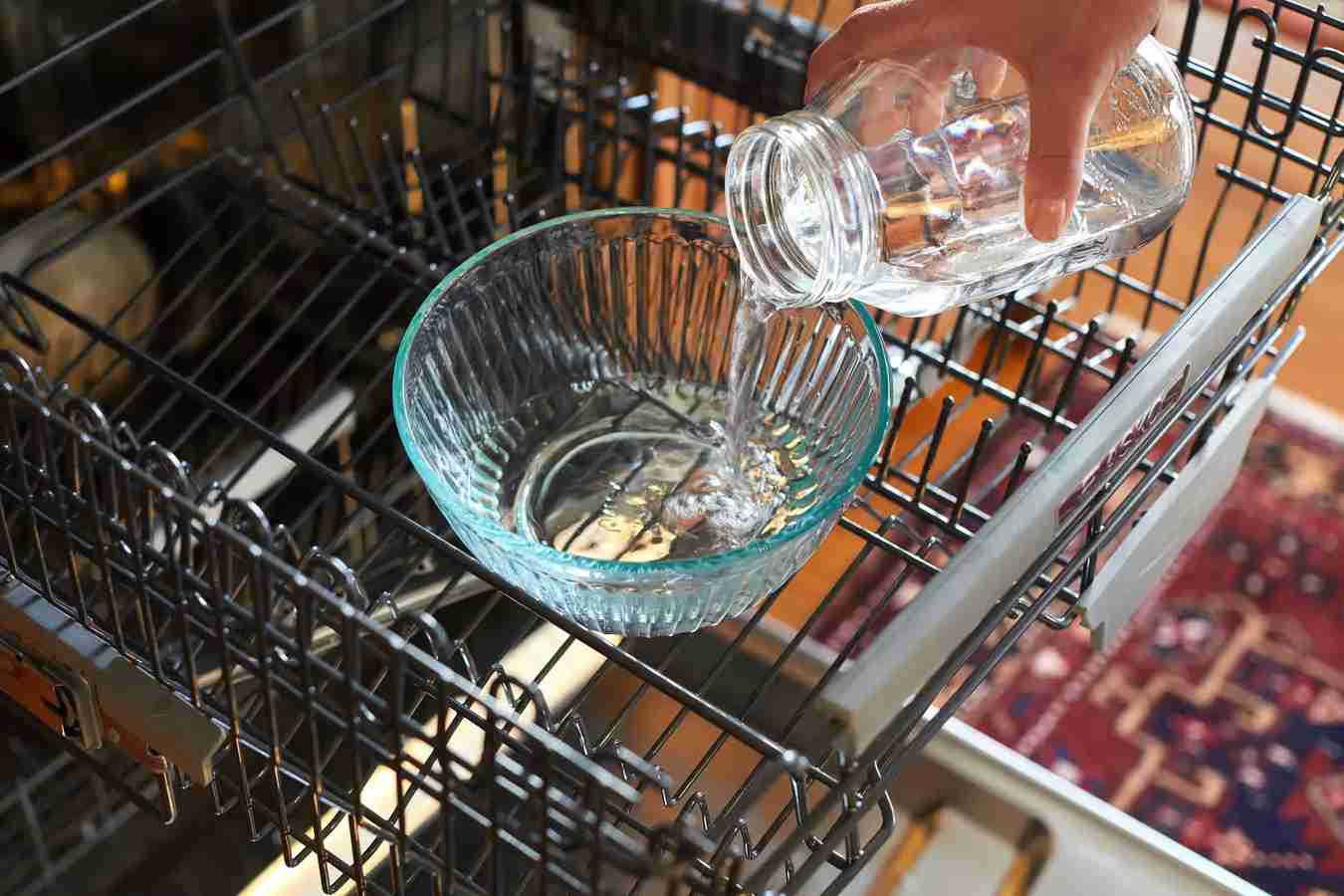
One of the most overlooked uses for white vinegar is in the dishwasher, according to Arkin. She suggests filling a bowl with a cup of vinegar and placing it on the top rack during a hot cycle. The vinegar cuts through grease, dissolves buildup, and leaves glassware spot-free, she explains, adding that it also helps with hard water stains.
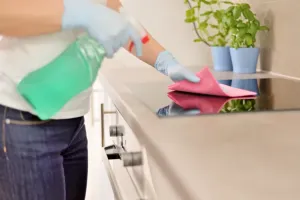
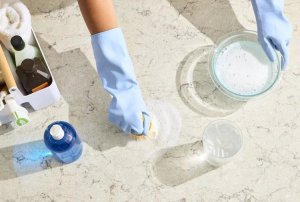
Brown expands on vinegar’s broader applications, noting that both cleaning vinegar and white vinegar can be used on floors, windows, and soap scum. Unlike ammonia or bleach, vinegar is non-toxic, which Brown says allows homeowners to maintain a clean environment without exposing family members or pets to harsh chemicals.
Credit: The Spruce / Ana Cadena
Microwaving Sponges to Extend Their Life
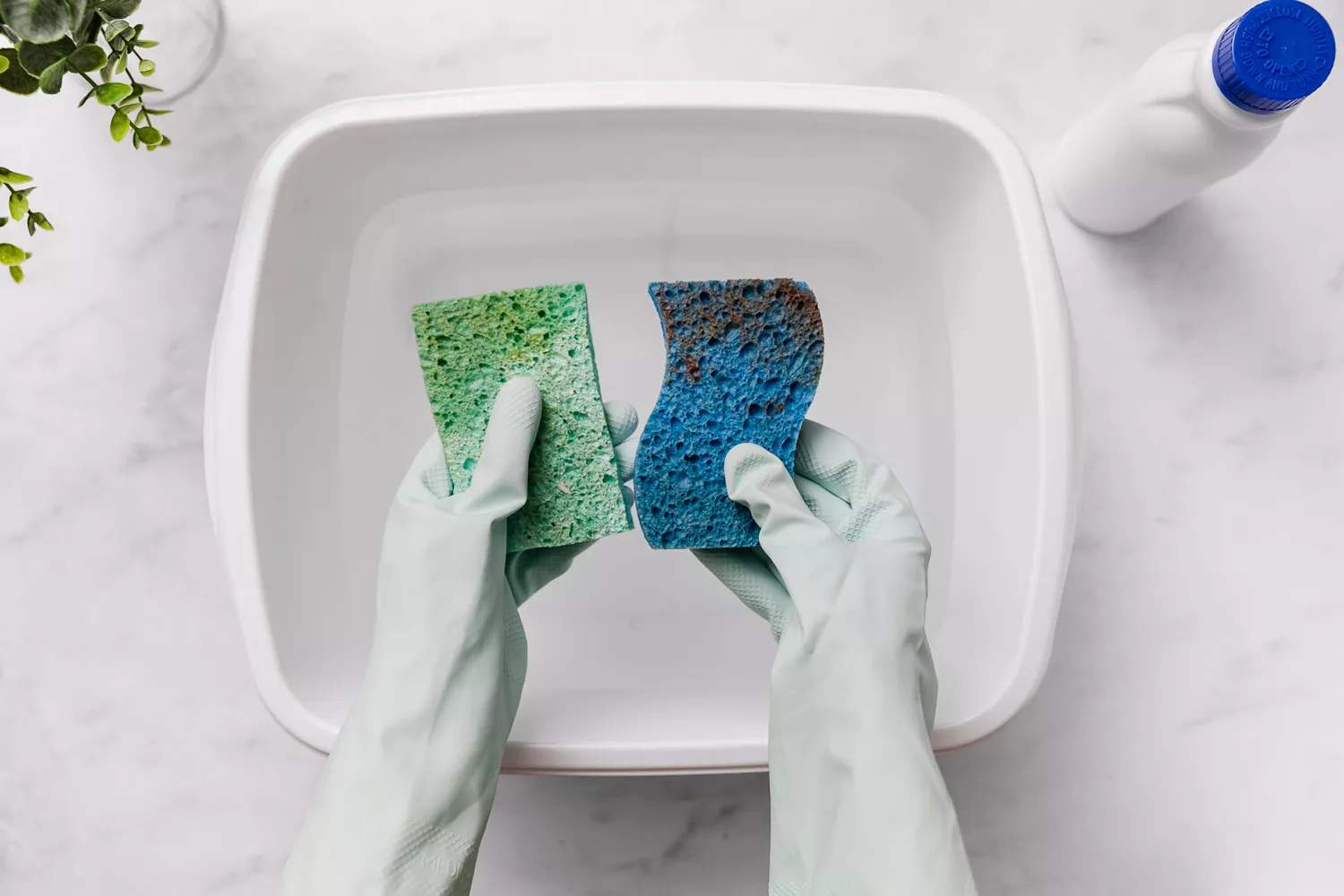
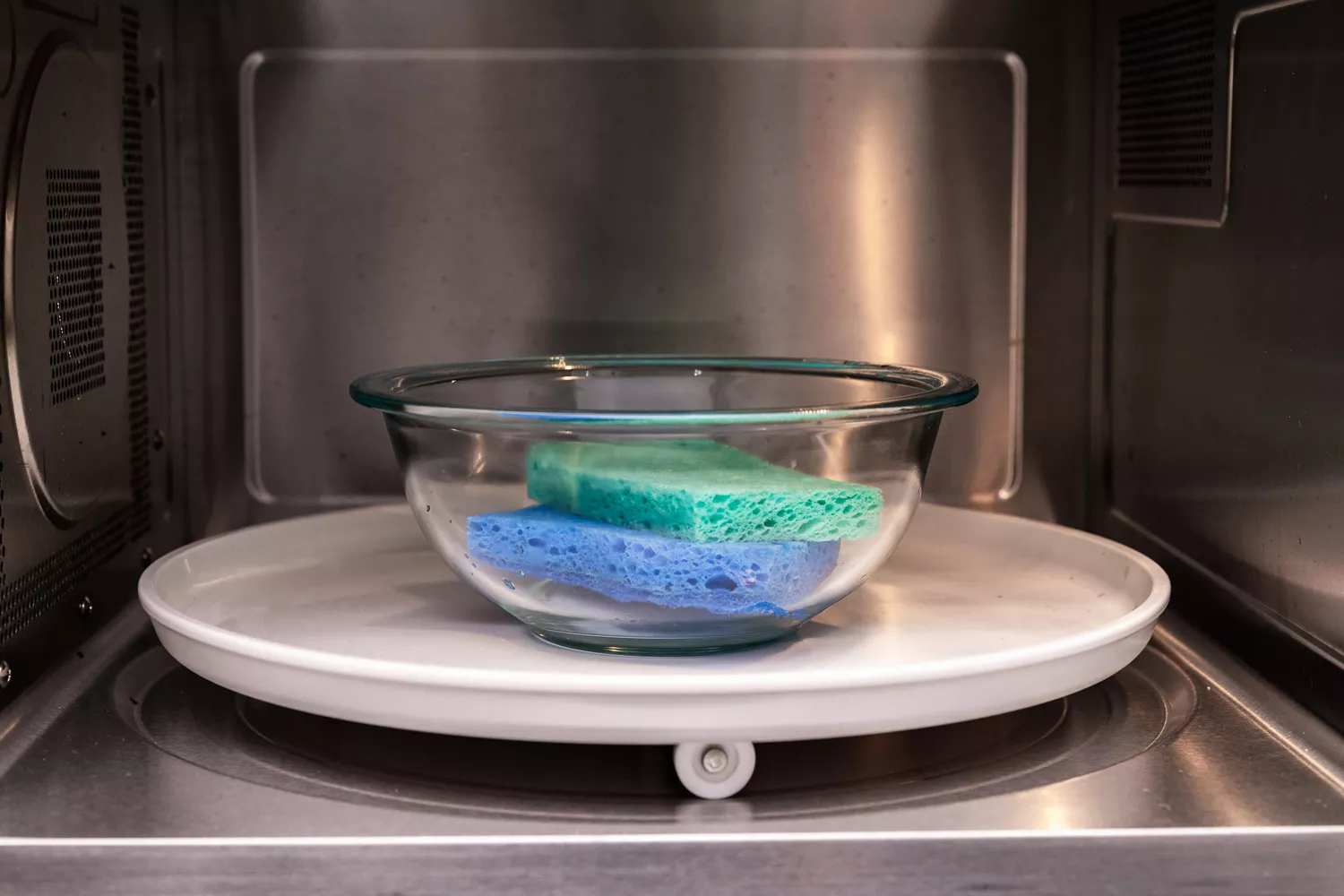
Instead of tossing sponges every week or two, Arkin recommends a quick microwave treatment. Heating a sponge for one minute kills most germs and prolongs its usability, she says. A crucial safety note: the sponge must be completely metal-free before microwaving. Brown adds that this practice is also a sustainable way to reduce waste, as fewer discarded sponges end up in landfills.
Credit: The Spruce / Adelyn Duchala
Making Chores More Enjoyable and Decluttering on the Go
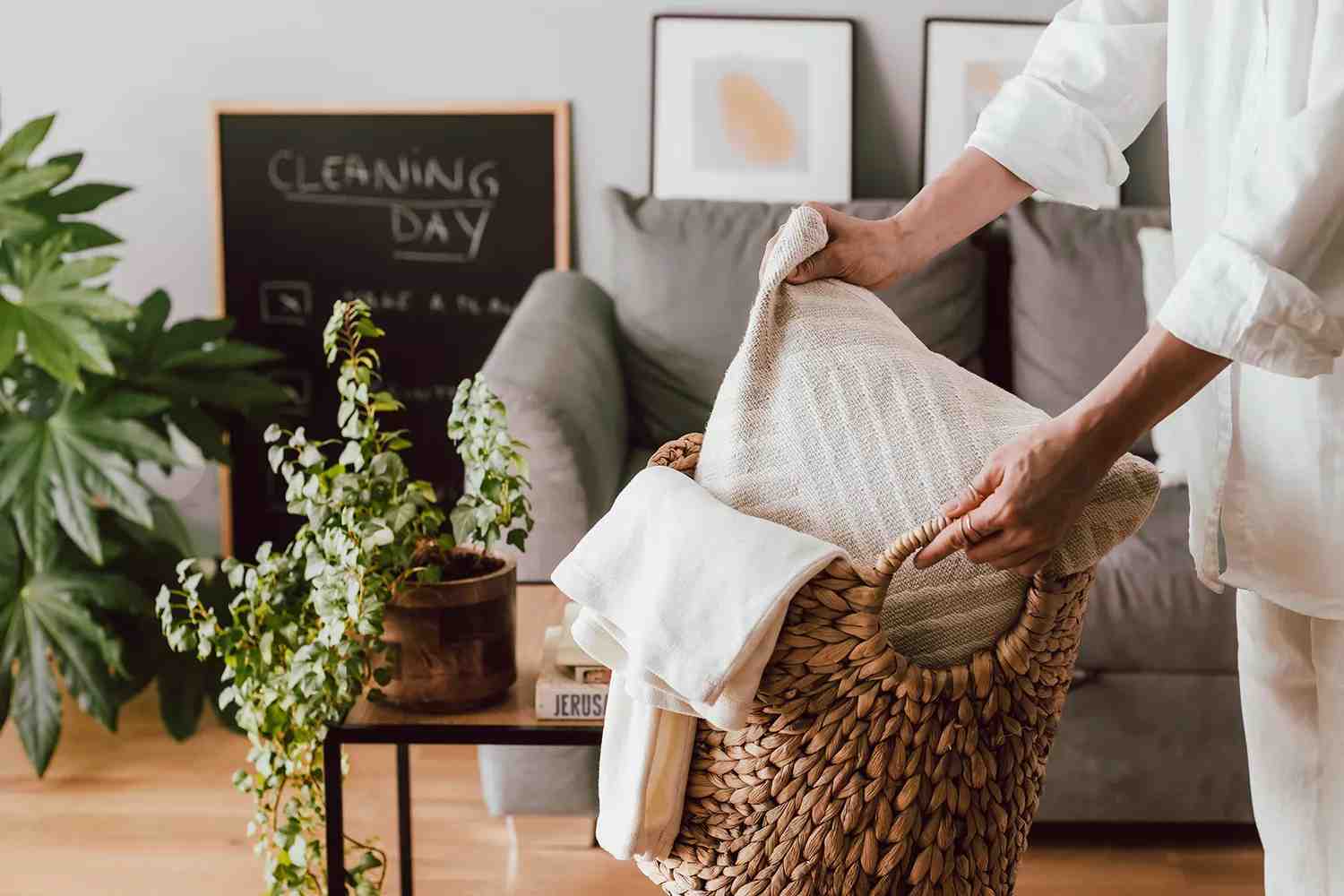
For those who dread cleaning, Mooney suggests turning on a favorite podcast or show while tidying up. This simple distraction can make the process feel less like a chore and more like an opportunity to multitask, she says.
Another habit Mooney recommends is a “declutter on the go” approach: whenever you enter a room, pick up one item that doesn’t belong and return it to its proper place. Over time, this small effort keeps the home consistently tidy and reduces the scramble before unexpected guests or home inspections.
Credit: The Spruce / Ana Cadena
Credit: The Spruce / Ana Maria Stanciu
Rethinking Single-Use Products
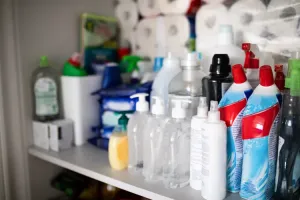
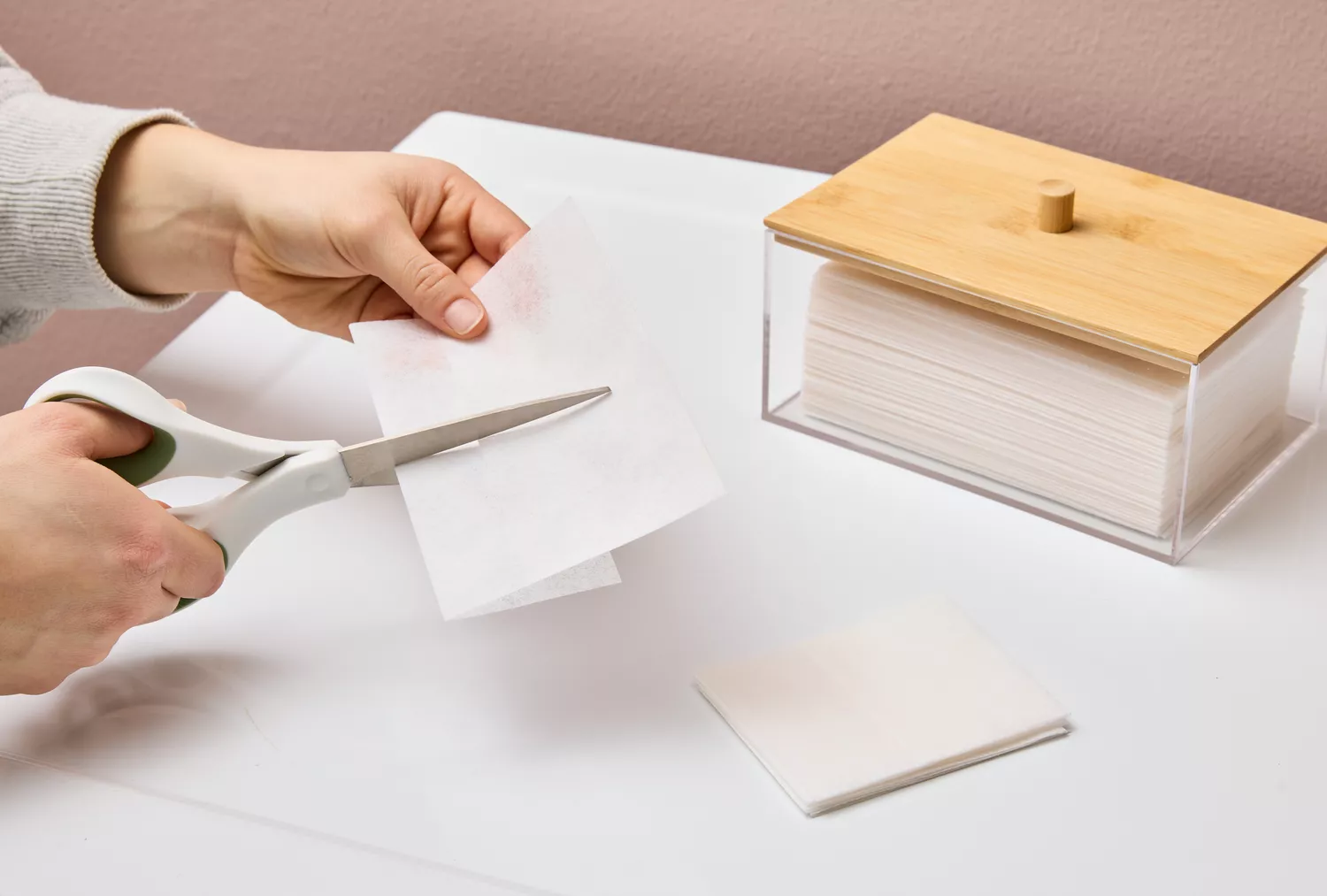
Brown also advocates for reducing reliance on single-use cleaning products. She points to durable, refillable dispensers and concentrated formulas—such as cleaning powders and laundry sheets—as effective alternatives. By choosing these options, she explains, households can minimize their use of single-use plastics and lower the carbon footprint associated with transporting water-heavy products.
Credit: The Spruce / Jason Donnelly
These expert suggestions offer a practical path to a cleaner home that is both budget-friendly and environmentally conscious. While no single hack is a cure-all, incorporating even a few of these methods could simplify daily routines and reduce exposure to harsh chemicals.