When decluttering your home, it's tempting to toss everything into one trash bag. But cleaning professionals caution that many common household items—from batteries to leftover paint—require special handling to avoid fires, toxic leaks, and environmental damage. Alessandro Gazzo, a cleaning expert at Emily's Maids, and Robin Murphy, president of Maid Brigade, outline nine categories of waste that should never be discarded with regular garbage.
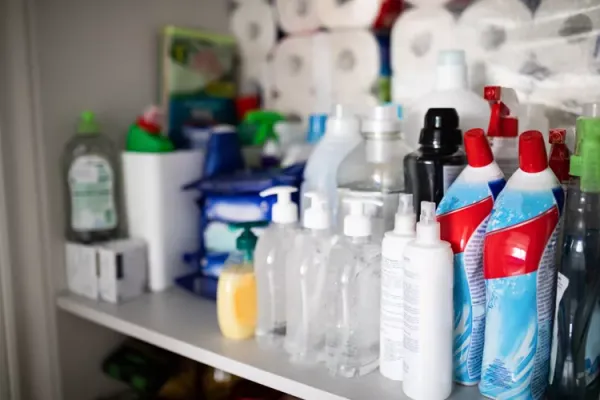
Batteries, for instance, can ignite if damaged or compacted, so Gazzo advises placing them in a separate container and checking if local grocery stores offer drop-off bins. Similarly, household cleaners like bleach, ammonia-based products, and aerosol sprays contain chemicals that can harm pipes or explode under pressure. Murphy recommends using a hazardous waste collection program for these items.
Pesticides, another common garage or shed find, should be taken to a hazardous waste facility. Murphy warns that improper disposal can contaminate drinking water and kill beneficial insects and animals. Fluorescent light bulbs, which contain mercury, should be returned to home improvement stores rather than thrown away, as mercury can be released into the environment.
Paints and solvents also belong at a hazardous waste site due to their chemical content. Murphy suggests keeping a small amount of leftover paint for future touch-ups, which reduces the need for immediate disposal. Plastic grocery bags, often accepted at store collection points, do not biodegrade easily and can jam recycling machinery, so they should be recycled separately.
Unused electronics, such as old computers or microwaves, contain metals that are dangerous if landfilled. Murphy advises seeking out local electronic waste recycling programs, which safely recover valuable materials and prevent toxic buildup. Food scraps, too, should be composted rather than trashed; Murphy notes that they occupy valuable landfill space and release climate-changing chemicals. Composting recycles nutrients into soil and reduces waste.
Finally, basic recyclables like glass jars, cans, paper, and cardboard should always go into recycling bins. Murphy emphasizes that recycling reduces waste, conserves resources, and saves energy. While this may seem obvious, many households still discard these items, so it's worth double-checking your local recycling guidelines.
For those unsure about disposal options, both experts suggest checking municipal websites or contacting local waste management services to find drop-off locations and collection schedules. Planning ahead not only keeps your home safe but also contributes to broader environmental health.