Grease buildup on floors can be a persistent nuisance, but cleaning professionals say the right technique and a few household staples can make the job manageable. Robin Murphy, president of Maid Brigade, and Claudia Meneses, founder of Avanti Green Eco Cleaning, offer a practical approach that emphasizes speed, the correct cleaning solution, and a little patience for tough spots.
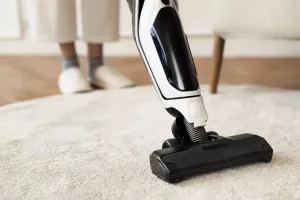
The process begins before any mopping takes place. Murphy advises sweeping or vacuuming the floor to remove loose dust and debris, which prevents dirt from turning into a gritty paste when wet. This preliminary step is essential for an effective clean.
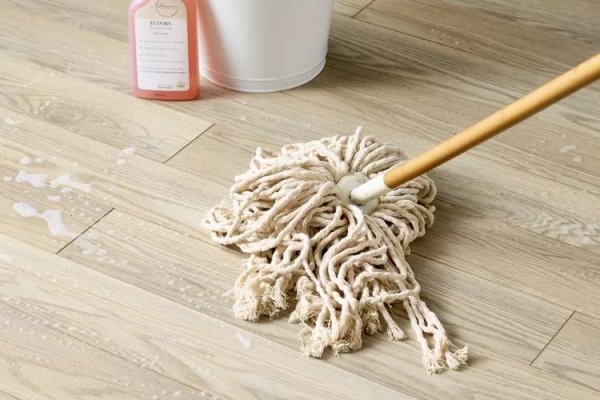
For the cleaning solution, Murphy recommends filling a bucket with a gallon of water and adding two to three tablespoons of dish soap. The mixture should be stirred until combined. When mopping, the mop should be wrung out until damp, not dripping wet, to avoid leaving excess moisture on the floor.
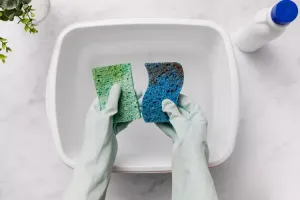
Work in sections, and for areas with heavy grease, apply the soapy solution directly to the spot and let it sit for five to ten minutes. This dwell time helps break down the grease. If needed, a scrub brush, sponge, or microfiber cloth can be used to gently agitate the area.
Rinsing and Drying: The Final Steps
After mopping, it's crucial to rinse the floor with clean water to remove any soap residue, which can attract dirt if left behind. Murphy stresses this step to ensure a clean finish. Finally, dry the floor with towels or microfiber cloths. This not only prevents streaks but also reduces the risk of slips and falls.
Pro Tips for Stubborn Grease
Meneses suggests spot-testing any degreaser on a small, inconspicuous area before applying it broadly, as this can prevent damage to the flooring. For tile and vinyl floors, Murphy notes that hot water can help dissolve grease faster, and a steam cleaner is also an effective option. However, she cautions that heat should not be used on wood floors.
For particularly stubborn grease, adding baking soda to the cleaning mixture provides mild abrasiveness that can help lift the grime. When grease has settled into grout lines, Murphy recommends making a paste of baking soda and water, applying it to the grout, letting it sit for 15 minutes, and then scrubbing with a toothbrush.
Timing can also make a difference. Meneses suggests degreasing floors at night when foot traffic is low. This minimizes disruption and prevents household members from tracking the sticky residue to other areas of the home.
By following these expert-backed methods, homeowners can tackle grease effectively, restoring floors to a clean, safe condition.