In the realm of household chores, certain practices have been passed down through generations, yet some may not be as effective as commonly believed. Two professional cleaning experts, Danielle Moore, founder of A Little Moore Clean, and Alessandro Gazzo, a cleaning expert with Emily's Maids, recently shared their insights on widespread cleaning misconceptions. Their advice aims to correct habits that might be less efficient or even counterproductive.
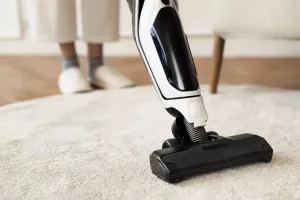
One of the most enduring tools in the cleaning arsenal is the feather duster. Moore, drawing on her hands-on experience, advises against relying on it for regular dusting. She notes that feather dusters often simply redistribute dust into the air, leaving surfaces still coated and the air filled with particles. While she concedes that feather dusters can be handy for reaching cobwebs or delicate items like chandeliers, she recommends a damp microfiber cloth or a vacuum cleaner with a dusting attachment for more effective dust removal.
Rethinking Window Cleaning and Detergent Use
The practice of using newspapers to clean windows is another myth that Moore challenges. While it may have worked in the past, modern newspaper paper is different and can leave streaks and ink smudges. Instead, she suggests using a squeegee or a microfiber towel paired with vinegar, dish soap, or a glass cleaner. A practical tip she offers is to turn off the lights before cleaning glass surfaces, which makes streaks and dirt more visible and easier to target.
When it comes to laundry and dishwashing, Gazzo points out that using the full recommended amount of detergent is often unnecessary. He suggests that reducing the portion to about 75 percent can still yield clean and fresh results, provided your dishes and laundry come out satisfactory. This not only saves product but also reduces waste.
Vinegar and Baking Soda: Not Always the Answer
Vinegar is celebrated for its versatility, but Gazzo cautions that its acidic nature makes it unsuitable for all surfaces. He specifically mentions natural stone countertops, such as marble and granite, as well as hardwood floors, where vinegar could cause damage. For these materials, he recommends using a specialized cleaner, like a granite cleaner, or simply soapy water, which has a neutral pH and is less abrasive, thereby prolonging the life of your surfaces.
Similarly, while both baking soda and vinegar are effective cleaners on their own, mixing them is a common mistake. Gazzo explains that combining them creates a reaction that produces sodium acetate, carbon dioxide, and water—none of which enhance cleaning power. In fact, they counteract each other, making the mixture less effective than using them separately. He emphasizes that using them individually is more beneficial, as they serve different purposes.
These expert insights serve as a reminder that not all cleaning advice is created equal. By debunking these myths, homeowners can adopt more efficient and safer cleaning practices, ensuring their homes are not only clean but also well-maintained.